
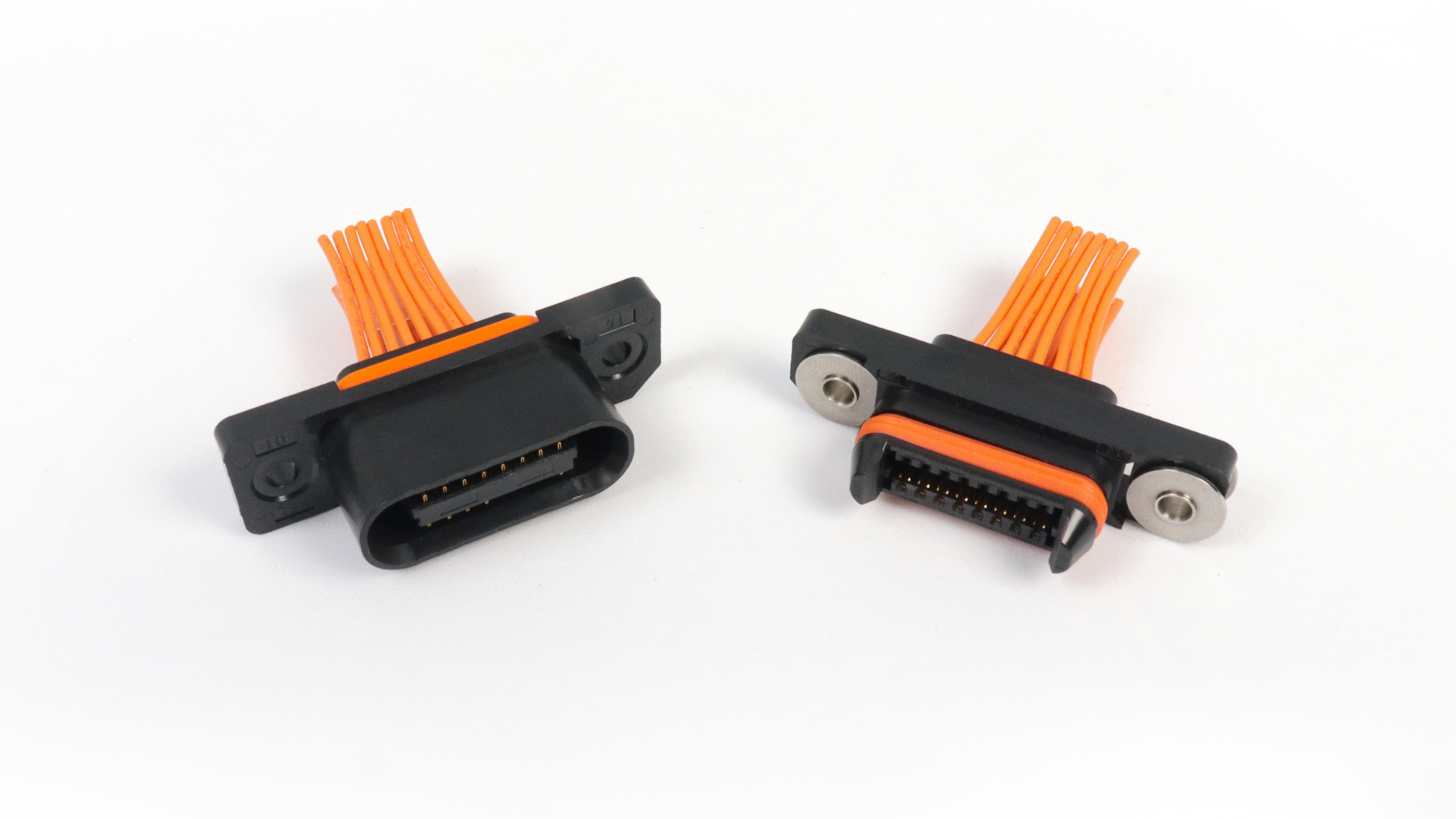
Choosing Between Standard and Waterproof Drawer Connectors
A plug-in fan unit is a cooling module that slides out and back in as one piece. Instead of unplugging cables by hand, the unit mates through a drawer connector, so a fan swap is a quick pull-and-replace. KEL builds two drawer connector families: the FA and FAS series for standard use, and the new IP67 FWSA series for trickier environments.
When to use the standard FA/FAS series
If the fan unit lives in a controlled or sheltered space, the standard drawer connector is the right fit. Equipment rooms, racks, and enclosures where the air is more or less clean and dry. The FA/FAS series is built for the everyday reasons you would want a swappable fan in the first place:
• Keeping equipment running during a fan change, on systems that can’t be shut down, like communication base stations and semiconductor manufacturing lines
• Adding cooling when a room runs hotter than planned, as in data centers and cleanrooms
• Reusing one cooling module across a product family to save on design and development
• Letting less experienced staff handle a swap, including at remote sites
• Scaling fan count up or down by season to save power
• Replacing fans on a schedule before they fail, as in avionics
• Making filters easy to reach and keep clean in dusty or oily plants
When to use the waterproof FWSA series
Use the waterproof and dustproof version whenever the fan unit is exposed to moisture, weather, or airborne contaminants. If water, condensation, dust, or insects can reach the connector, FWSA is the better fit.
Common cases where FWSA is the right choice:
• Outdoor or partly exposed installations that still need airflow, such as surveillance camera cabinets and pole-mounted equipment out in the weather
• Indoor spaces where temperature and humidity swings cause condensation, which can corrode contacts or cause shorts, as in refrigeration and freezer control gear or food plants
• Dirty environments where rain, mud, humidity, and insects all reach the enclosure, like greenhouse control panels and outdoor drone bases
• Anything that has to keep running through sudden wind and rain, such as outdoor monitors and stage control equipment